
Public
Cultural insights on gambling beliefs around the world
Cultural insights on gambling beliefs around the world
The Historical Context of Gambling Beliefs
Gambling has been a part of human culture for centuries, with its roots stretching back to ancient civilizations. In many cultures, gambling was not merely a game of chance but often intertwined with spiritual beliefs and societal structures. For instance, ancient Chinese texts reveal that gambling was used for divination purposes, influencing decisions in both personal and public spheres. Today, many individuals looking for entertainment may find the best online casino options available attractive and intriguing.
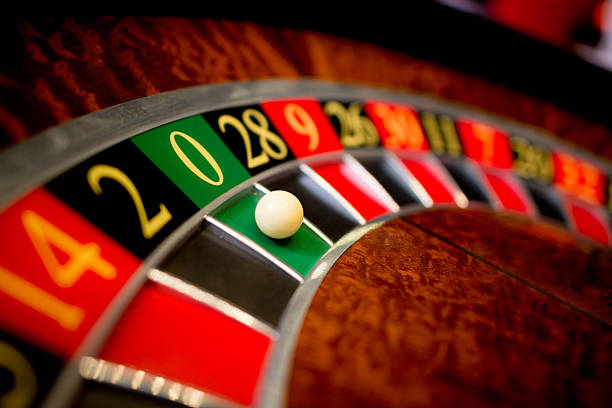
Similarly, the Romans viewed gambling as a form of entertainment that showcased social status and skill. The acceptance of gambling varied widely, with some societies embracing it while others condemned it as a vice. This historical perspective helps us understand how deeply embedded these beliefs are in contemporary views on gambling across the globe.
Cultural Attitudes Toward Gambling
Different cultures exhibit distinct attitudes toward gambling, often shaped by religious and societal norms. In countries like Japan, gambling is heavily regulated, and specific forms, such as pachinko, have become culturally acceptable despite the overall stigma surrounding betting. This reflects a unique balance between traditional values and modern entertainment.
Conversely, in Western cultures, particularly in Las Vegas, gambling is celebrated as a legitimate form of recreation. The normalization of gambling in these societies highlights a significant cultural shift towards viewing it as an enjoyable pastime rather than a moral failing. These contrasting perspectives shape how individuals approach gambling, influencing their beliefs and behaviors. For beginners, understanding these differences can be crucial in navigating the diverse landscape of gambling.
Superstitions and Gambling
Superstitions play a crucial role in gambling beliefs across various cultures. Many gamblers engage in rituals or follow specific practices they believe will bring good fortune. For example, in some Western cultures, wearing lucky clothing or carrying talismans is common, reflecting a desire to influence outcomes through personal beliefs.
In contrast, cultures in Asia often incorporate spiritual elements into their gambling practices. Feng Shui, for instance, can influence the choice of locations for casinos or the arrangement of gaming tables. These superstitions and rituals significantly affect how people experience gambling, creating a complex interplay between belief and chance.
The Impact of Technology on Gambling Beliefs
The advent of technology has transformed gambling practices globally, influencing cultural beliefs around it. Online gambling platforms have introduced a new dimension, allowing players from diverse backgrounds to engage in betting without traditional social constraints. This shift raises questions about how technology alters perceptions and the psychological aspects of gambling.
While technology has made gambling more accessible, it has also brought concerns regarding addiction and responsible gaming. Different cultures address these challenges uniquely, reflecting their values and beliefs. The tension between innovation and tradition continues to shape how societies view and engage with gambling.

Exploring Our Website
At our website, we prioritize providing insights into various cultural beliefs and practices surrounding gambling. We aim to enhance your understanding of how these beliefs shape gambling behaviors worldwide. Whether you’re a novice or an experienced gambler, our resources can help you navigate this complex landscape.
We invite you to explore further and discover how cultural insights can enhance your gambling experience. Our commitment to informative content ensures that you stay informed while enjoying the diverse world of gambling. Join us in this exploration of cultural beliefs and practices related to gambling, and broaden your perspective today.
